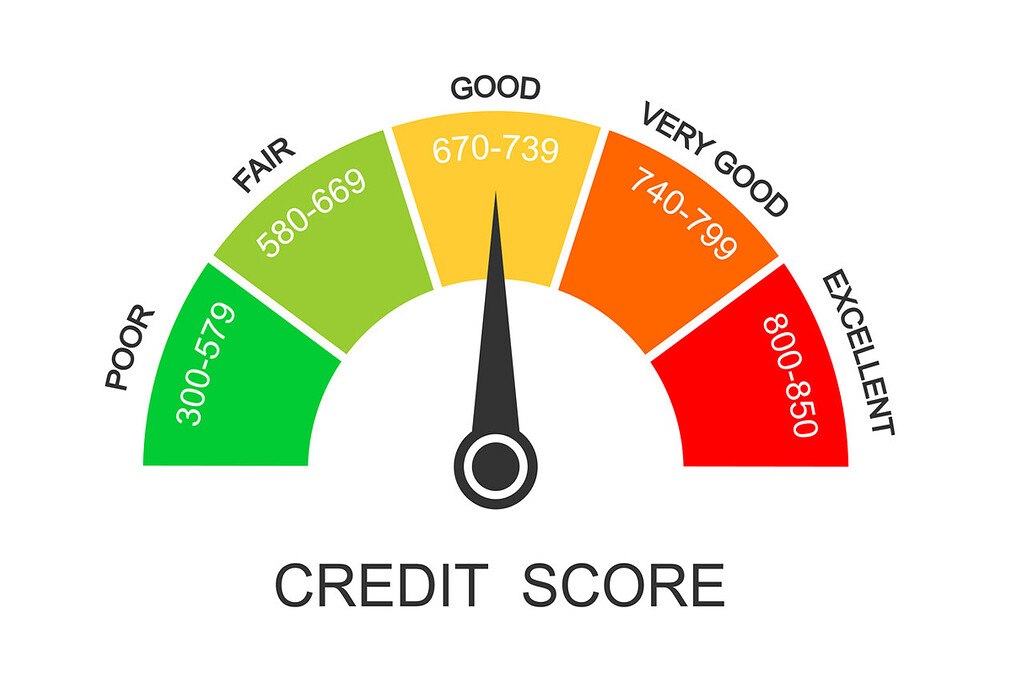

A sudden drop in your credit score can feel like a punch in the gut, especially when you think you’ve been doing everything right. But credit scores don’t drop without a reason. Often, it isn't one massive financial disaster that ruins your score, but rather a collection of small, overlooked habits that act like a slow leak.
If you want to protect your borrowing power, you need to know exactly what is draining your points. Here are five critical mistakes that decrease your credit score, along with straightforward strategies to fix them.
1. The Ripple Effect of "Just a Few Days Late"
Your payment history makes up the single largest chunk of your credit score. Many people assume that missing a payment deadline by a couple of weeks is fine as long as they pay the penalty fee. However, once a payment crosses the 30-day overdue mark, lenders report it to the credit bureaus. This single slip-up flashes a red warning light to future lenders, signaling financial instability and causing an immediate, sharp drop in your score.
The Blueprint: Do not rely on your memory. Set up automated minimum payments for all your credit cards and loans so your baseline history remains flawless, even during your busiest months.
2. Treating Your Credit Limit Like a Target
Think of your credit card limit like a bridge’s maximum weight capacity—just because it can hold the weight doesn't mean you should pack it to the absolute limit every single day. Your Credit Utilization Ratio measures how much credit you are using against your total limit. Maxing out your cards or consistently using more than 30% of your limit suggests to lenders that you are overextended and overly reliant on borrowed money.
The Blueprint: Keep your balances low throughout the month. If your total limit across cards is ?1,00,000, try to never let your total outstanding balance cross ?30,00,000 at any given time.
3. The "Credit-Hungry" Application Spree
Every time you formally apply for a new credit card or loan, the lender pulls your credit report, triggering what is known as a "hard inquiry." A single inquiry causes a minor, temporary dip. However, if you apply for multiple cards or loans within a short window, it looks like a frantic scramble for cash. Credit bureaus interpret this high volume of inquiries as a sign of financial distress, which pulls your score down.
The Blueprint: Space out your applications. Do your research and compare options beforehand, and only hit the "apply" button when you genuinely need the credit line and are highly confident you will qualify.
4. Erasing Your Own Financial Footprints
It feels incredibly satisfying to pay off an old credit card and close the account to celebrate. Surprisingly, this often backfires. Closing an old account instantly reduces your total available credit limit (which accidentally spikes your credit utilization ratio) and shortens the average age of your credit history. Lenders love long-term evidence of good financial behavior, and closing old accounts wipes that proof away.
The Blueprint: Keep your oldest accounts open, even if you rarely use them. Put the card in a drawer, or use it once a year for a tiny purchase just to keep the account active and working in your favor.
5. Walking Blindly Past Report Errors
Credit bureaus process massive amounts of financial data every month, and mistakes happen. Clerical errors, administrative typos, or even identity theft can cause someone else’s late payments or accounts to show up under your name. If you aren't checking your official reports, these hidden errors can quietly tank your score without you ever realizing why.
The Blueprint: Make it a habit to audit your full credit reports. Look closely for incorrect balances, unfamiliar account names, or mistakenly marked late payments, and dispute them immediately.