
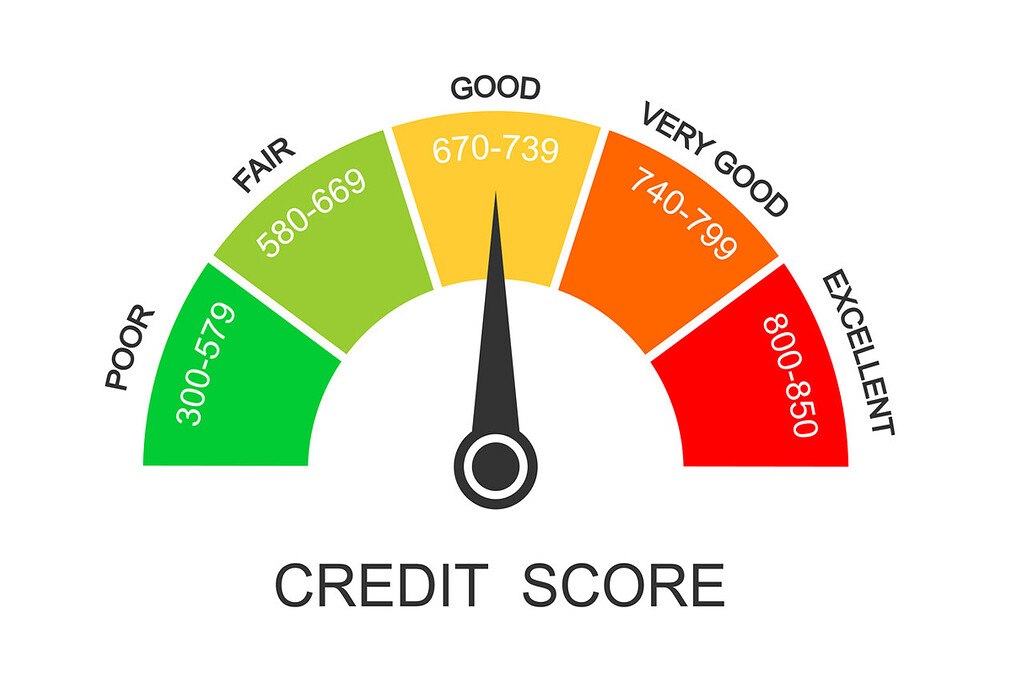
In today’s fast-paced financial environment, your credit score plays a pivotal role in shaping your financial opportunities. Whether you are applying for a personal loan, home loan, business loan, or a credit card, lenders rely heavily on your credit score to evaluate your repayment capacity and financial discipline.
A strong credit score not only increases your chances of loan approval but also helps you secure lower interest rates and better financial products. On the other hand, a poor credit score can restrict your access to credit and increase your borrowing costs.
This comprehensive guide explains how a credit score works and provides practical, proven strategies to improve it quickly and effectively.
Understanding Credit Score
750 – 900: Excellent
700 – 749: Good
650 – 699: Fair
Below 650: Poor
In India, the most widely recognised credit score is provided by Trans Union CIBIL, along with other bureaus such as Experian, Equifax, and CRIF High Mark.
How Credit Score Works
Credit scores are calculated using a combination of key financial factors. Each factor reflects a different aspect of your credit behavior.
1. Payment History (35%)
Your repayment track record is the most significant contributor to your credit score.
Timely payment of EMIs and credit card bills demonstrates reliability, while delays or defaults indicate risk.
Best Practice:
Always pay your dues on or before the due date. Even a single missed payment can negatively impact your score.
2. Credit Utilization Ratio (30%)
This refers to the percentage of your available credit that you are currently using.
For example, if your total credit limit is ?1,00,000 and you use ?30,000, your utilization ratio is 30%.
Ideal Range:
Maintain utilization below 30% to reflect responsible credit usage.
3. Length of Credit History (15%)
The duration for which you have been using credit also influences your score.
A longer credit history provides more data about your financial behavior and increases lender confidence.
Best Practice:
Avoid closing old credit accounts, as they contribute positively to your credit history.
4. Credit Mix (10%)
A healthy mix of different types of credit—secured and unsecured—enhances your credit profile.
Secured loans: Home loan, car loan
Unsecured credit: Personal loan, credit cards
Best Practice:
Maintain a balanced credit portfolio without over-reliance on one type.
5. New Credit Inquiries (10%)
Each time you apply for credit, lenders perform a hard inquiry on your report.
Frequent applications may signal financial stress and reduce your score.
Best Practice:
Apply for credit only when necessary and avoid multiple applications within a short period.
Importance of a Good Credit Score
A strong credit score offers several financial advantages:
Loan Approval
Higher scores significantly improve your chances of getting approved for loans and credit cards.
Lower Interest Rates
Lenders offer preferential interest rates to individuals with high credit scores, reducing overall borrowing costs.
Higher Credit Limits
A good score can help you access higher credit limits and premium financial products.
Faster Processing
Applications from individuals with strong credit profiles are processed more quickly.
How to Check Your Credit Score
You can check your credit score through:
Official credit bureau websites
Banking institutions
Financial service platforms
Checking your own credit score is considered a soft inquiry and does not affect your score.
How to Improve Your Credit Score Fast
Improving your credit score requires a combination of discipline and strategic financial management. Below are proven methods to accelerate the process.
1. Ensure Timely Payments
Consistent on-time payments are the most effective way to improve your credit score.
Action Steps:
Set up auto-debit for EMIs
Use reminders for due dates
Always pay at least the minimum due
Lowering your credit usage can lead to a quick improvement in your score.
Action Steps:
Pay off outstanding balances
Avoid large purchases on credit
Spread expenses across multiple cards if necessary
Multiple hard inquiries can reduce your score and indicate risk.
Action Steps:
Check eligibility before applying
Limit applications to essential needs only
Older accounts strengthen your credit history and improve your score.
Action Steps:
Keep old accounts active
Use them occasionally for small transactions
5. Increase Credit Limit
A higher credit limit reduces your utilization ratio and improves your score.
Action Step:
Request a credit limit enhancement from your bank, if eligible.
6. Clear Outstanding Dues
Unpaid debts or defaults significantly harm your credit score.
Action Steps:
Pay overdue EMIs immediately
Settle pending accounts
Close inactive loans properly
7. Monitor Your Credit Report
Errors in your credit report can negatively impact your score.
Common Issues:
Incorrect account status
Duplicate entries
Unreported payments
Action Step:
Raise disputes with the credit bureau to correct inaccuracies.
8. Use Secured Credit Products
If your score is low or you have no credit history, secured credit products can help rebuild your profile.
Examples:
Fixed deposit-backed credit cards
Secured loans
A diversified credit portfolio enhances your creditworthiness.
Best Practice:
Use a mix of loans and credit cards responsibly.
9. Maintain a Balanced Credit Mix
A diversified credit portfolio enhances your creditworthiness.
Best Practice:
Use a mix of loans and credit cards responsibly.
10. Practice Consistency and Patience
Credit score improvement is gradual. Consistent financial discipline yields sustainable results.
Timeline for Credit Score Improvement
The time required to improve your score depends on your current credit profile:
Minor issues: 1–3 months
Moderate issues: 3–6 months
Serious defaults: 6–12 months or longer
Common Mistakes to AvoidTo protect your credit score, avoid the following:
Missing EMI or credit card payments
Using full credit limits frequently
Applying for multiple loans simultaneously
Ignoring discrepancies in credit reports
Closing old credit accounts unnecessarily
ConclusionA credit score is a critical component of your financial health. It directly influences your ability to access credit, the cost of borrowing, and the quality of financial products available to you.
Improving your credit score does not require complex strategies—it requires consistent, responsible financial behavior. By paying your dues on time, maintaining low credit utilization, and monitoring your credit report regularly, you can steadily enhance your credit profile.
Taking proactive steps today can significantly improve your financial opportunities tomorrow.